
One minute, you have a nice home to live in; the next, it is a stressful mess due to unexpected flooding. When the water begins to flow back, a smart move will prevent further damage to your property. The aim is to remain safe, minimize loss, and assist your home to recover more quickly. Here are ways to protect your home:
1. Put Safety First
Sharp objects, broken flooring, sewage, or electrical hazards can be concealed by standing water. Contacting water damage restoration Boise professionals early can help you avoid minor repair problems that could end up as major ones.
2. Stop More Water from Coming In
Locate the water source and prevent it, provided it is safe to do so. Turn off the main water switch when the burst appliance is the cause of the flood. When the water is outside, apply temporary barriers. This will prevent additional water from flowing in.
3. Document Everything before Cleaning
Take photographs and videos of each damaged room. Capture walls, floors, furniture, appliances, and personal items at varying angles. These records would assist in insurance claims and avoid confusion in the future.
Read More: 3 Ways the Right Builders Can Transform Your Space Stress-Free
4. Remove Wet Items the Right Way
Relocate damped properties out of the affected area as soon as possible. Wet clothes, paper, carpets, and cardboard may contain moisture and become odorous. So, consider doing the following:
- Store items that are disinfectable.
- Dispose of stuff that comes in contact with contaminated floodwaters.
- Store receipts of supplies and repairs.
5. Dry the Home Fast
Open windows and doors when the weather outside is safe. Draw moisture out of floors, walls, and furniture using fans and dehumidifiers. Wet floors and places should not be covered with plastic or rugs. That is because the moisture held may cause mold.
6. Clean and Disinfect Hard Surfaces
Floods are known to bring dirt and chemicals into the house. Clean hard surfaces with soap and clean water. Later, disinfect them after completing the cleaning process. Take special care when dealing with floors and door frames.
7. Check Hidden Areas for Moisture
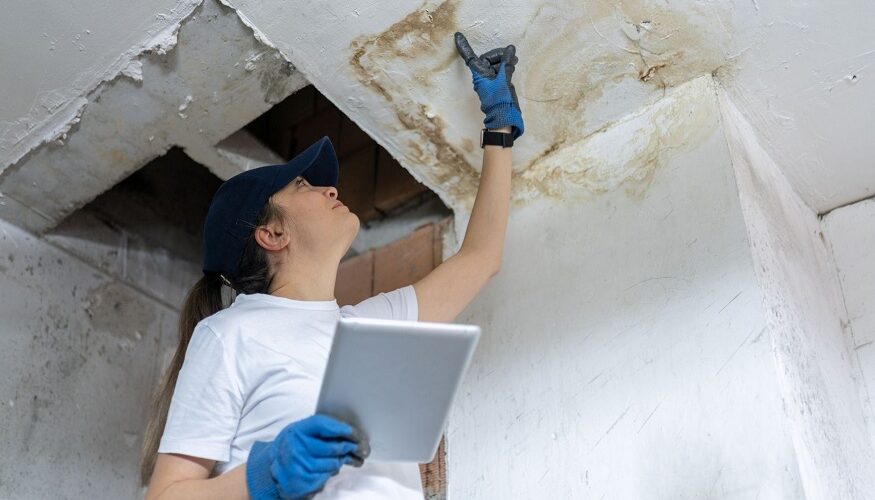
Water can pass behind walls, under flooring, and in cabinets. There is no need to touch the surface, as it may appear dry. However, inside it can be moist. So, don’t just look at peeling paint and soft drywall. Look at the wood that is swollen, too.
Read More: 5 Asphalt Paving Contractor Mistakes That Are Costing You Big Time
8. Protect Your Home from the Next Flood
Consider reducing the risk in the future after the cleanup. Don’t just keep products that are stored up off the floor. Also, relocate valuables to taller shelves. Stronger protection is provided by installing a sump pump, water alarms, and backflow valves.
In conclusion, it takes a lot of patience to recover after unplanned flooding. Nevertheless, every step counts. Begin with safety, record the damage, eliminate wet items, dry the home, and examine hidden places. Eliminate future flood damage by protecting your house and preventing future damage with quick response and better planning.