
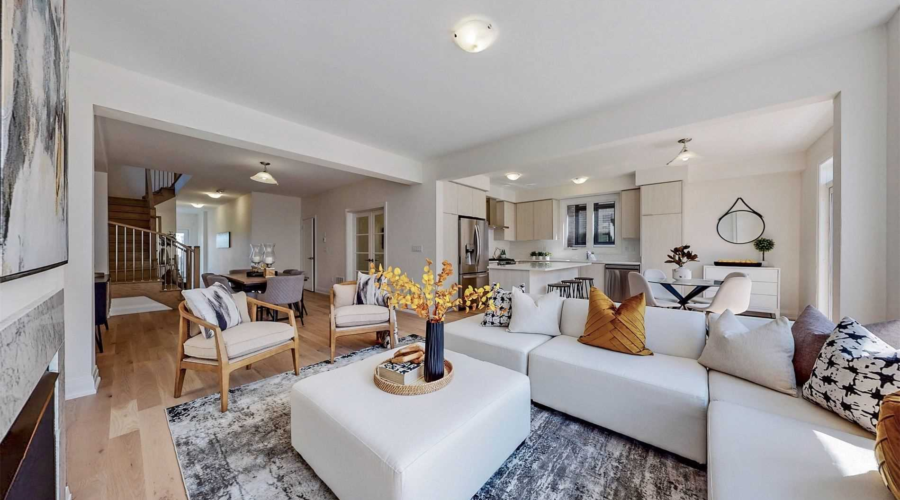
As autumn approaches, landlords preparing furnished properties for new tenants need to look beyond general cleaning and maintenance. Shorter daylight hours, wetter weather and greater reliance on heating and lighting can make furniture condition, room layout and practical details more noticeable during viewings.
What to Review Before Marketing a Furnished Rental
Start by assessing the property as a prospective tenant would. Check whether each room is clean, functional and easy to understand at first glance. Furniture should have a clear purpose, pathways should remain accessible, and there should be enough space for everyday activities without the rooms appearing unnecessarily full.
This is where furniture for home staging can be useful as part of a wider furnishing review. The aim is not to make a rental look like a show home, but to ensure that sofas, beds, tables and storage pieces are in suitable condition and work with the proportions of the property. A well-positioned piece of furniture can help demonstrate how a room functions, while an oversized or damaged item can make the same space feel less practical.
Inspect furniture carefully for marks, stains, loose fittings, broken handles, damaged upholstery and signs of general wear. These issues can become more apparent when prospective tenants spend time viewing a property. Replace items that are no longer practical or presentable, particularly where they are likely to receive regular use during a new tenancy.
It is also worth checking whether every furnished item is still necessary. Landlords sometimes leave furniture in place simply because it has always been there. Removing an unnecessary cabinet, chair or side table can create useful floor space and make a smaller London property easier to navigate.
Choose Furniture That Works With the Property
Furniture should be selected according to the size and layout of each room rather than simply filling the available space. In a compact bedroom, for example, a large wardrobe positioned too close to the bed can restrict movement and make storage appear more limited than it actually is. The same principle applies to living rooms where oversized sofas or additional armchairs can reduce usable floor space.
Measure key furniture pieces before replacing them and consider how doors, windows, radiators and storage areas affect placement. There should be enough clearance to move comfortably around beds, dining tables and seating. This is particularly important in London properties where rooms may have unusual proportions, narrow entrances or limited storage.
Durability should also influence furnishing decisions. Rental furnitures for staging regular use, so furniture needs to cope with everyday tenant activity rather than simply look good during a viewing. Easy-clean upholstery, robust surfaces and well-made storage can be more useful than delicate pieces that require frequent replacement.
Avoid furnishing every room according to a fixed template. A second bedroom may work better as a bedroom with a compact desk than as a room containing several large storage pieces. The furniture should reflect the property’s likely use while leaving tenants enough flexibility to arrange their belongings.
Prepare the Property for Autumn Viewings
Lighting becomes particularly important when properties are viewed later in the day. With less natural daylight during autumn, check that bulbs are working and that each room has adequate illumination. Dark corners, poorly lit entrances and dim hallways can make otherwise usable areas difficult to assess.
Curtains and blinds should also be checked for damage, staining and smooth operation. They need to provide privacy without unnecessarily blocking available daylight during viewings. Cleaning windows can also help maximise the natural light entering the property, particularly on overcast autumn days.
Read More: Water Heater Replacement As An Opportunity To Improve Household Efficiency
Floors deserve attention before the property is marketed. Inspect carpets for visible staining, worn areas and loose edges, while checking hard flooring for scratches or damage. Autumn weather can also bring more water and dirt into a property, making a clean and practical entrance particularly important.
Consider whether the entrance has somewhere suitable for coats and footwear. A functional doormat, usable storage and clear access can make the property easier to use when wet weather becomes more frequent. These details may seem minor, but they contribute to how practical the property feels.
Soft furnishings should receive the same review. Curtains, cushions, rugs and other supplied items should be clean and in good condition. Where a piece looks dated, heavily worn or difficult to maintain, replacing it may be more sensible than trying to disguise the problem with additional accessories.
Create a Comfortable but Flexible Rental
A furnished property should feel comfortable without becoming too personalised. Neutral colours and straightforward furnishings give prospective tenants a clearer idea of how they could use the rooms while leaving room for their own belongings and preferences.
Avoid excessive decorative items, personal photographs or highly distinctive furniture that could distract from the property’s useful features. The purpose of the furnishing is to show scale and function rather than dictate how a tenant should live.
Bedrooms should make it clear where a tenant can sleep, dress and store clothing. In living areas, seating should be positioned to demonstrate the available space without obstructing circulation. Where a dining area is provided, the table and chairs should leave enough room to move around them comfortably.
Think about practical tenant needs when reviewing each room. Can someone open the wardrobe fully? Is there space beside the bed for everyday items? Can a sofa be used without blocking a radiator or door? Are electrical sockets reasonably accessible? These checks can reveal problems that are not obvious when a property is viewed simply as an interior.
A well-presented furnished property can also help prospective tenants understand its proportions. Clear furniture placement gives visual context to rooms and makes it easier to judge whether existing furniture, storage and living areas will accommodate their needs. Home furniture packages can provide a coordinated selection of pieces that helps define each space without making it feel overcrowded.
A Practical Final Check Before Marketing
Before arranging autumn viewings, walk through the property during the time of day when most viewings are likely to take place. Check the lighting, furniture placement, entrance, flooring, curtains and visible signs of wear from the perspective of someone seeing the property for the first time.
Read More: How Offices and Factories Choose the Right RO Plant Capacity
The practical takeaway is simple: review every furnished item for condition, purpose and proportion before marketing the property. Removing one unnecessary piece, repairing a worn item or improving lighting may have more practical value than adding new decoration, while ensuring the property remains comfortable, functional and easy for prospective tenants to understand.