
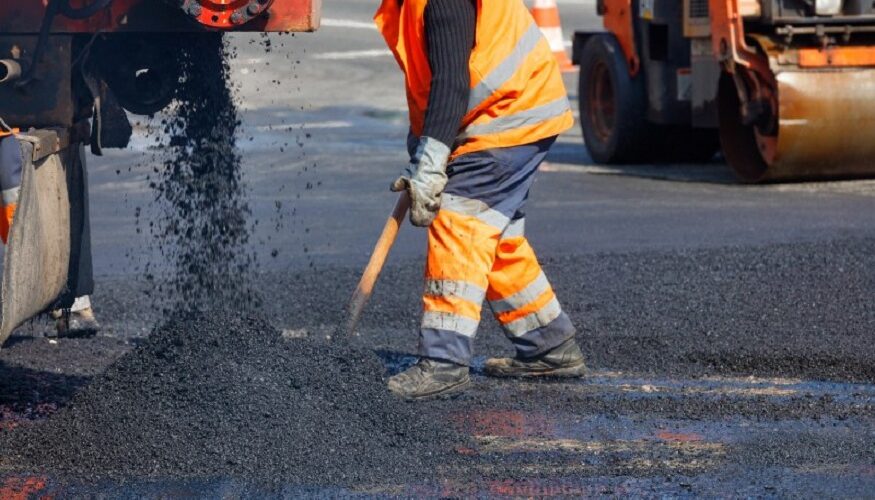
Choosing inexpensive materials for asphalt paving can lead to hefty long-term expenses, thanks to increased repairs and unhappy clients, wiping out any initial savings.
There’s a direct link between asphalt durability and material quality; using subpar asphalt can jeopardize the longevity of your project and disappoint your clients.
Asphalt paving contractors need to diligently inspect materials for quality, paying close attention to certifications, the right aggregate levels, and even asking for physical samples.
Good communication with clients means taking the time to listen actively and documenting everything carefully to avoid misunderstandings and foster trust throughout the project.
Regular maintenance is crucial for extending the life of asphalt; ignoring maintenance can lead to crumbling client trust and rising repair costs down the line.
If you want to prevent rushed jobs and unhappy clients, accurately estimating project timelines is key; underquoting can really hurt a contractor’s reputation and dependability.
Read More: Problems with Commercial Construction in Neighborhoods
Employing handy tools like project management software and visual timelines can boost estimation accuracy and improve your project management methods significantly.
Why Cutting Corners on Materials Can Sink Your Project
The Hidden Costs of Cheap Asphalt Choices
Whenever I hear about paving projects failing, my thoughts immediately turn to the materials involved. Seriously, why do some asphalt contractors believe that scraping together a few bucks on asphalt will somehow benefit them later? It’s a rookie mistake! Sure, cheap materials can look appealing at first glance, yet they can lead you into a maze of trouble down the line. Those upfront savings? They’ll disappear faster than you can say “repair costs,” leaving you with headaches galore.
- Increased Repairs: Cheap asphalt cracks easily, paving the way for expensive fixes.
- Client Dissatisfaction: A shoddy job can seriously harm your reputation.
- Wasted Time: Constant repairs will steal your valuable hours.
Understanding the Long-Term Impacts on Durability
Ever skip an oil change? Remember that fleeting moment of satisfaction? Cutting corners on asphalt quality feels the same. Every batch of low-quality asphalt plants the seeds for future complications. Durability isn’t merely a catchy phrase; it’s the backbone of your project. Clients expect a surface that can brave the elements, withstand heavy loads, and stand the test of time. If you present them with a compromised product, don’t be shocked when they come knocking for repairs.
So, durability directly correlates with the materials you use. While poorly made asphalt might tempt you, it’s like buying a shiny new suit from a street vendor. It looks excellent at first, but it unravels way too soon. Your clients won’t be thrilled when their driveway falls apart before summer feels real!
How to Spot Quality Materials Every Time
It’s astonishing how many asphalt contractors overlook the basics. Inspecting materials shouldn’t be optional; it should be your routine! Don’t just take a supplier’s word as gospel. Do your research. Here’s what to look for when choosing asphalt:
- Check certifications: Ensure the supplier is meeting industry standards.
- Analyze the blend: Quality asphalt should have the right aggregate levels.
- Request samples: Getting some hands-on experience with the material can reveal a lot.
As someone who’s been around the block, I’ve learned a lesson or two. Each project is a commitment. Ensure every paving job stands up to expectations. Quality isn’t just important; it’s everything. You definitely don’t want a customer mulling over a lawsuit because their driveway looks like Swiss cheese!
Communication Breakdowns: The Silent Profit Killer
Are You Really Hearing Your Client’s Needs?
Let’s be real: how well do you really listen to your clients? I mean, do you truly connect with what they’re saying? It’s simple to nod your head in agreement, but if you aren’t diving deep into their concerns, you might turn profitable projects into total failures. Clients come with their own ideas, expectations, and worries that need some attention. Are you prepared to handle these important conversations? If not, you’re just paving a road to nowhere.
Documenting Everything: A Non-Negotiable Step
You really can’t afford to neglect this part. Documentation is your shield. Every meeting, every conversation, and every concern should be noted down. Be vigilant about where potential problems could arise. You want to ensure that even the tiniest details are captured. If you let this slip, you’re leaving the door wide open for misunderstandings that could derail your projects. As an asphalt paving contractor, your word counts, but it won’t hold its own without written backing.
“A conversation left undocumented is a conversation you’ll regret later.”
If you’ve dealt with disputes regarding project scope or costs, then you’ll really feel this. Clear communication builds trust. Challenge yourself to step it up in this area. Your clients will respond to your openness!
Strategies to Improve Client Interaction
Now that we’ve highlighted how vital communication is, let’s dive into some tangible strategies you can implement. Want to enhance your interactions? Here are some tips:
- Regular updates: Keep your clients informed with consistent check-ins.
- Feedback opportunities: Encourage clients to share their suggestions or concerns.
- Face-to-face meetings: Whenever possible, set up personal meet-ups to strengthen those connections.
These aren’t mere suggestions; they’re essential practices. Clients who feel valued often become advocates for your business. Speak their language, and you’ll see a noticeable impact on your bottom line.
Overlooking Maintenance Plans: A Recipe for Disaster
Why Regular Maintenance is More than Just an Option
Are you treating maintenance as an afterthought? If so, you’re making a massive error that many asphalt contractors make. Regular maintenance isn’t merely an option – it’s absolutely vital. Think of your asphalt jobs as investments. Just like a house, they need upkeep to maintain their value. Want an insider tip? Quite a few of your competitors probably overlook this aspect.
“A penny for maintenance saves a dollar in repairs.”
You get what you pay for, and sidestepping maintenance will cost you more than you realize. Clients need to know they can rely on you, not just for installation but for keeping their surfaces intact. Offering maintenance plans right from the start is a smart move.
The Cost of Neglecting Seal Coating
Ever learned about the crucial role of seal coating? It’s kind of like sunscreen for your asphalt. Skipping seal coating can lead to a minefield of cracks and damage. Many contractors just forget about this essential layer. What’s the fallout? A growing list of disgruntled clients and a fading reputation.
- Increased vulnerability: Sun, rain, and freezing temps wreak havoc on unprotected asphalt.
- Ultimately, higher costs: Repairing surfaces costs way more than simply applying a seal coat.
- Client trust eroded: Ignoring seal coating risks refund requests.
Don’t fall into this trap. Make seal coating a priority in your services. It pays off in major ways!
Building Trust Through Preventive Care
Taking the initiative to provide maintenance options isn’t just about safeguarding asphalt; it’s a way to forge relationships. Clients genuinely respect a contractor who flags potential issues before they escalate. Preventive care shows you truly care about their best interests. So, how do you build that trust?
- Educate your clients: Share the benefits of maintenance and explain why it truly matters.
- Be proactive: Give clients a heads-up about upcoming maintenance needs.
- Follow through: Deliver every service with excellence to ensure satisfaction.
This kind of approach strengthens long-term client relationships. And that’s where the real profit lies. If clients know you’ve got their best interest at heart, they’ll keep returning.
Failing to Estimate Project Timelines Accurately
The Pitfalls of Underquoting Project Lengths
Ah, project timelines. Many asphalt contractors underestimate this key detail. The excitement of landing contracts can sometimes cloud judgment. Here’s the crux: rushing through a project only leads to subpar work and unhappy clients. You might think underquoting timelines is a clever strategy, but it’s usually a misstep.
There’s more at stake than just the immediate project. If you’re consistently missing deadlines, clients will pick up on that. They may begin to doubt your dependability.
How to Build Realistic Timelines That Impress Clients
Want a little secret? Start by breaking down tasks into bite-sized, manageable pieces. Be mindful of weather conditions, review local regulations, and pinpoint potential bottlenecks. Planning should never be a shot in the dark; you don’t have to walk in blind, just be a logical planner. Here’s how to get it right:
- Consult your crew: Get insights from your team about what’s achievable.
- Factor in delays: Always expect something to go wrong—it typically does.
- Set buffer zones: Give yourself some time cushions for unexpected delays.
Creating realistic timelines demonstrates to clients that you’re thorough. It fosters trust—a priceless asset in this industry.
Tools and Techniques for Accurate Estimations
So, which tools can simplify your life? There’s no shortage of options, from project management software to more traditional methods. Just remember to choose wisely. Here are a few techniques that serve me well:
- Utilize digital tools: Apps like Asana or Trello can help you track tasks effectively.
- Gantt charts: Visual timelines can bring immense clarity to your projects.
- Post-project reviews: Analyze what worked, what didn’t, and make necessary adjustments for future estimates.
This isn’t just a tool issue; it’s a mindset. Cultivate precision in your estimations. When you consistently deliver projects as promised, you’ll keep your clients happy and smiling.
Keep in mind: each mistake highlighted here is more than just a personal error. Each one can send ripples through your projects and client relationships. Steer clear of these pitfalls. You have the resources; now it’s time to wield them wisely!
FAQ
What should I consider before choosing an asphalt supplier?
First off, don’t just pick the cheapest option. Look for suppliers with solid reputations. Check their certifications and past performance records. Chat with other contractors who’ve worked with them—you need solid intel before making a choice.
How can I effectively communicate project changes to clients?
First and foremost, be direct. Don’t avoid delivering bad news. If there’s a change in scope or delays arise, either pick up the phone or set a meeting. Document everything, too. This transparency builds trust, and clients respect honesty, even when the news isn’t great.
What are the risks of neglecting asphalt maintenance?
Skipping maintenance leads to cracks and significant damage. Think of it like avoiding regular car check-ups—you’ll be faced with a pile of repair bills soon enough. Plus, don’t expect loyalty from clients if they see their investment crumbling.
How can I make my estimation process more accurate?
Adopt a systematic approach. Break the project down into stages and anticipate possible setbacks. Don’t forget to factor in feedback from your team about realistic timelines—input from those who’ll be doing the work is essential for accuracy.
Read More: How to Pick the Right SWR Pipes for Your Home Drainage
What role does weather play in asphalt paving?
Weather can be a real game changer. Cold temperatures may impact curing times, and rain can destroy a freshly laid surface. Always monitor forecasts and adjust your timelines accordingly. Otherwise, you might find yourself scrambling to address issues that could’ve been avoided.
Are there specific certifications I should look for in asphalt materials?
Absolutely! Look for certifications from reputable industry organizations, like the National Asphalt Pavement Association. These credentials guarantee that the materials meet specific quality and performance standards—never settle for less.
How important is client education in the paving process?
It’s hugely important. Educating clients about what they’re investing in, the necessity of maintenance, and potential issues goes a long way in building trust. Clients who understand their investments tend to appreciate the work more, leading to stronger relationships.
What’s the best way to handle client complaints?
Start by listening. Don’t go on the defensive. Acknowledge their issues and validate their concerns. Then, present solutions. Whether it’s correcting a mistake or offering a discount, show them you value their business. This can transform a dissatisfied client into a loyal supporter.
Useful Resources
- National Asphalt Pavement Association
- Asphalt Institute
- Internal Revenue Service (IRS)
- Occupational Safety and Health Administration (OSHA)
- National Paving Contractors Association
- Project Management Institute
- S. Small Business Administration
- McGraw Hill Construction