
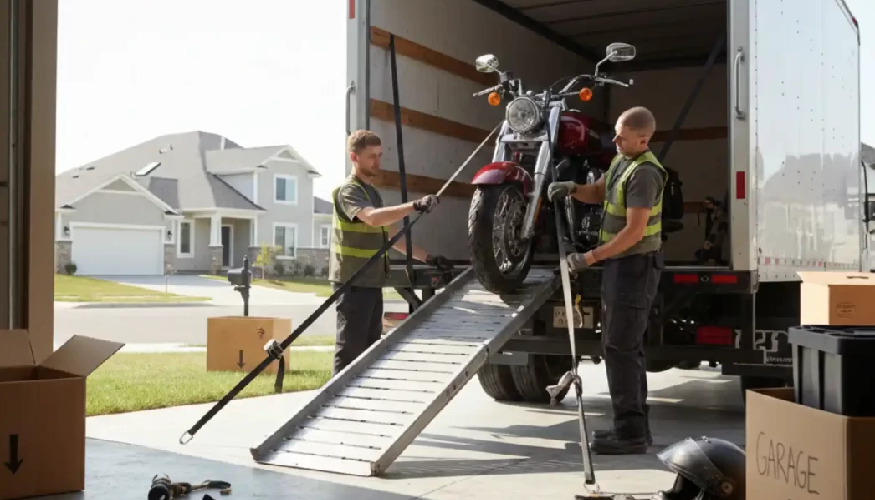
Packing a garage is not like packing the rest of your house. It usually involves:
- Heavy equipment
- Irregularly designed objects
- Substances that require careful handling.
When you go to it without a plan, you risk incurring damage, safety issues, and delays on moving day.
Here is a guide forpacking and moving your garage items safely.
Sort and categorize
Before packing, categorize your garage items into three categories, namely:
- Tools
- Equipment
- Hazardous materials.
This action will minimize confusion. You will be able to use the appropriate packing technique in each category.
At this point, decluttering is necessary. Get rid of:
- Damaged tools
- Out-of-date chemicals
- Unused materials.
It is of no value to carry along items that are not functional or safe anymore. Less volume means less moving expenses and less organization.
Read More: How to Transfer Utilities When You Move
How to pack hand tools
This includes hand tools like:
- Hammers
- Screwdrivers
- Wrenches, etc.
These items are sharp. They can easily cause damage to other objects if packed incorrectly.
The AAA Moving professionals use small boxes for these items. This enablesa manageable weight. Cover the sharp edges with some protective cover, like:
- Bubble wrap
- A thick cloth.
This will prevent injury and scratches.
Toolboxes may be utilized in their original state. But they should not be overloaded. If a toolbox is too cumbersome, redistribute some stuff into other boxes. Keep the loose parts secured and label boxes.
Dealing with power tools and equipment
Larger equipment and power tools need more preparation. Begin by washing everything off to get rid of:
- Dust
- Oil
- Debris
This will avoid contamination of other packed stuff.
Break equipment down into smaller parts where feasible. Take off the removable:
- Components
- Cords
- Other accessories.
Pack them individually in marked bags.
Use the original tool packaging if you have it. It is meant to protect the tool when it is being transported. Otherwise, get medium-sized boxes whose padding is adequate to absorb shock.
In addition, drain equipment like lawnmowers, trimmers, and generators, offuel and oil. Carrying these equipment with fluid inside can lead to leakages, odors and even accidents.
Managing bulky garage items
There are bulky items such as:
- Ladders
- Garden hoses
- Big storage bins.
Tape or tie down any moving parts. This prevents shifting during transportation. For long items like ladders, use protective covers or blankets. This will prevent scratches and dents.Then, stack containers according to weight.
Packing hazardous materials
Many states have restrictions onmoving hazardous items. Theyinclude:
- Propane tanks
- Chemicals
- Paint
- Solvents
- Pesticides
Follow local disposal or transportation protocols. In the majority of the cases, it is safest to:
- Consume
- Donate
- Dispose of them.
In case of transport, make sure that containers are:
- Well sealed
- Set in an upright position
- Places in well-ventilated areas.
Do not put hazardous materials together in one box. Label them properly and store them in different locations. This is necessary to prevent unintended reactions.
Read More: Timeline Guide for Long-Distance Relocations
Labeling and final preparation
Name each box depending on the contents and the requirements of handling. This makes sure that movers treat them properly. Maintain a list of garage inventory. This is important for high-value equipment.
The takeaway
Using experienced movers makes it easy to pack and move your garage items.