
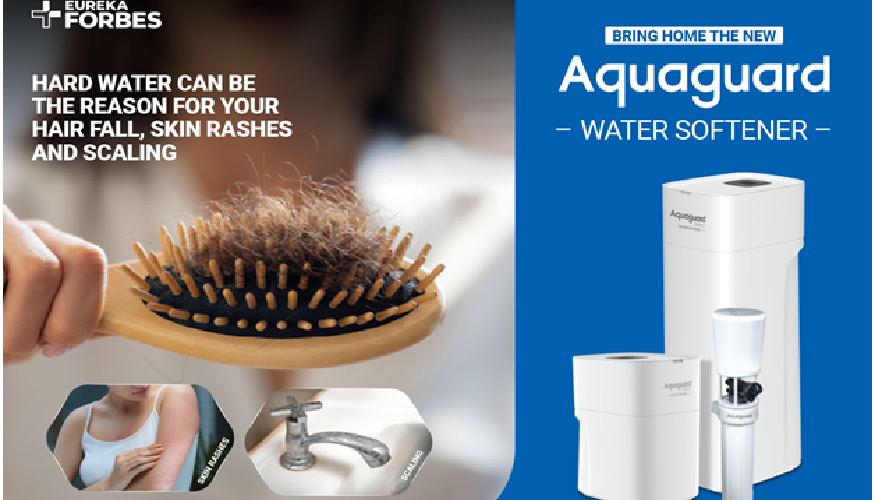
Hard water is a common issue in many households and can silently affect your plumbing, appliances, skin, and even your daily comfort. Installing a water softener for home use is an effective long-term solution, but choosing the right capacity is just as important as choosing the system itself.
A water softener that’s too small will regenerate frequently and wear out faster, while an oversized system can waste water and money. This guide explains how to choose the right water softener capacity based on real household needs.
What Does Water Softener Capacity Mean?
Water softener capacity is typically measured in grains, referring to how much hardness (calcium and magnesium) the system can remove before it needs regeneration. Residential water softeners are commonly available in capacities such as 24,000, 32,000, 40,000, and 48,000 grains.
The right capacity depends on two main factors:
- Water hardness level
- Household water usage
Understanding these variables ensures efficiency, durability, and cost-effectiveness.
Step 1: Test Your Water Hardness
Before choosing a water softener, you need accurate data. Water hardness is commonly expressed in parts per million (PPM) or in grains per gallon (GPG).
- 1 GPG = 17.14 PPM
- Hard water usually starts at 7 GPG and above
You can obtain this information through:
- A certified water testing lab
- Municipal water quality reports
- Professional water treatment providers
Accurate testing is essential for selecting the correct system capacity.
Step 2: Calculate Daily Water Usage
An average person uses 80-100 gallons (300-380 litres) of water per day. To estimate your household’s daily consumption:
Number of people × average daily water use
For example:
A family of 4 × 75 gallons = 300 gallons per day
Now multiply daily water usage by water hardness:
Daily gallons × hardness (GPG) = grains removed per day
Example:
300 gallons × 12 GPG = 3,600 grains per day
Step 3: Choose the Right Softener Capacity
Most water softeners regenerate every 6-10 days for optimal performance. Multiply your daily grain requirement by the desired number of days between regeneration.
Example:
3,600 grains × 7 days = 25,200 grains
In this case, a 32,000-grain water softener would be ideal, allowing a buffer for higher usage and maintaining efficiency.
Household Size and Recommended Capacity
While calculations are best, these general guidelines help:
- 1-2 people: 24,000-32,000 grains
- 3-4 people: 32,000-40,000 grains
- 5-6 people: 40,000-48,000 grains
Homes with frequent guests, high water usage, or very hard water may require higher capacity systems.
Consider Regeneration Type and Salt Efficiency
Modern water softeners for bathroom and home use, including Aquaguard Select AWS C-1200 Water Softener by Eureka Forbes, feature fully automated regeneration, which, once set, automatically regenerates itself based on actual water usage. These systems are more efficient, as they optimise salt and water consumption, reduce unnecessary regeneration cycles, and ensure a continuous supply of soft water without manual intervention.
Some models, including the Aquaguard Select AWS I-2500, also offer demand-initiated regeneration (DIR) and rapid regeneration, allowing the system to regenerate only when needed and restore soft water quickly during periods of higher use.
Choosing the right capacity also improves:
- Salt efficiency
- Resin lifespan
- Overall operating cost
Other Factors That Affect Capacity Choice
- Iron content in water increases resin load
- Multiple bathrooms raise peak demand
- Appliance usage (washing machines and dishwashers)
If your water contains iron or other contaminants, pre-treatment may be required to maintain softener performance.
Final Thoughts
Choosing the right capacity for a water softener for home use isn’t about buying the biggest unit. It’s about matching the system to your actual water conditions and household demand. A properly sized water softener improves efficiency, reduces maintenance costs, and delivers consistent soft water throughout your home.
For best results, consult a water treatment professional who can test your water and recommend a system tailored to your needs. This approach ensures long-term performance, safety, and value, key principles of a smart and informed investment in your home.